
Most babies are ready to start solids at about 6 months, but the calendar is only part of the picture. The CDC says the Dietary Guidelines for Americans and the American Academy of Pediatrics recommend introducing foods other than breast milk or infant formula at about 6 months, and that introducing foods before 4 months is not recommended. Readiness signs matter just as much as age.

The 6 signs
- Sits up alone or with support. An upright, steady position makes swallowing safer.
- Controls head and neck. Your baby can hold their head up steadily.
- Opens their mouth when you offer food. They lean in, watch your plate, and show real interest.
- Swallows food instead of pushing it out. Babies are born with a tongue-thrust reflex that pushes food forward. When it fades, food stays in.
- Brings objects to their mouth. Mouthing toys is practice for handling food.
- Tries to grasp small objects. Reaching for and picking up items shows hand-to-mouth coordination is developing.
What readiness does not look like
Waking more at night, chewing on fists, or watching you eat do not mean your baby needs solids on their own. Look for the full set of signs, not one.
Set up for the first bite
- Choose a calm time, when baby is alert and not overly hungry or tired.
- Seat baby upright, with support, and stay with them the whole meal.
- Offer small amounts. Solids at this stage are for exploring, and breast milk or formula is still your baby's main nutrition.
- Keep the mood relaxed. Messy is normal.
Not sure? Ask your pediatrician
Every baby develops at their own pace. If your baby was born early or has feeding or medical concerns, check with your pediatrician before starting.
Ready to get started?
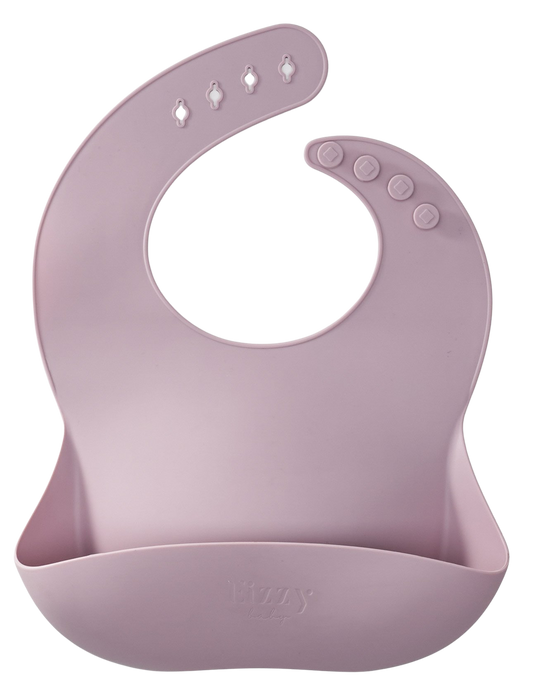
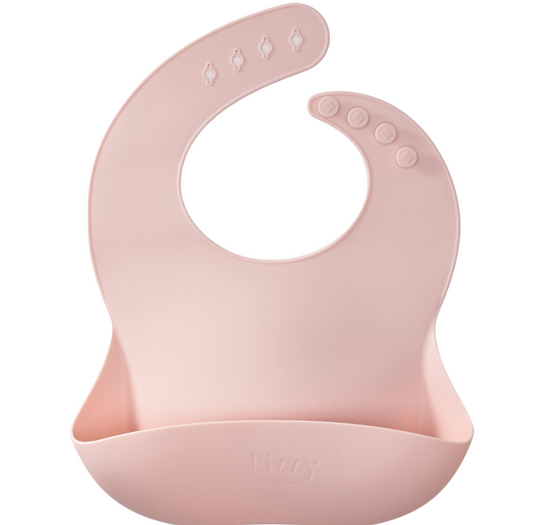
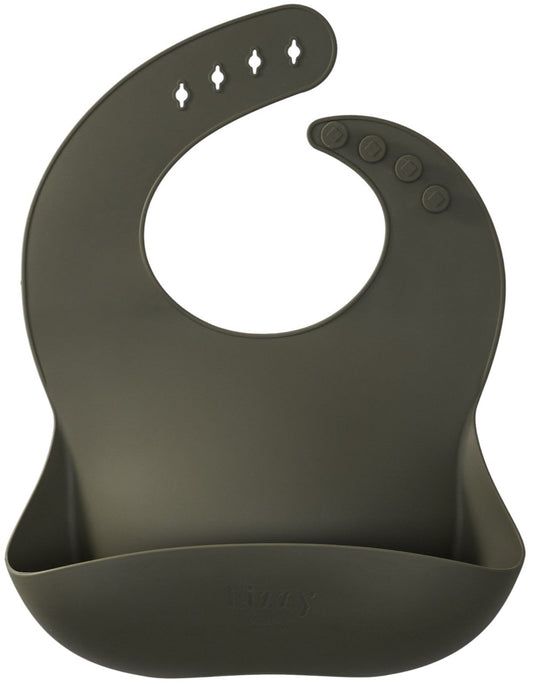
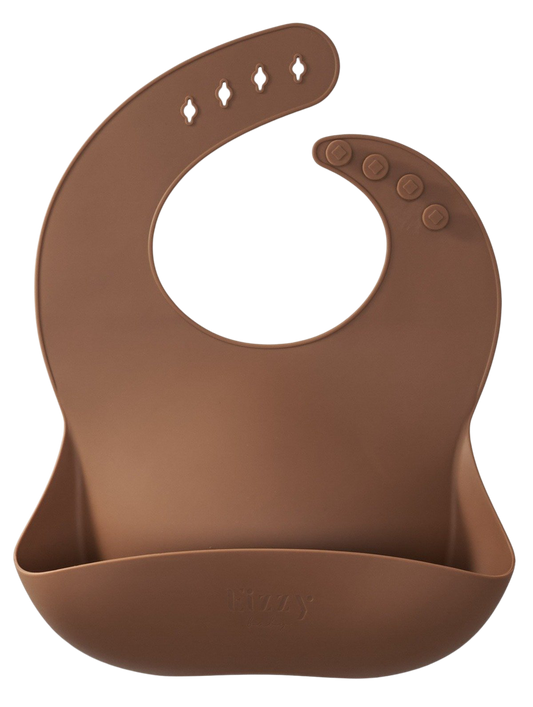
A soft, easy-to-hold set makes those first messy meals simpler. Browse Eizzy Baby's silicone feeding bibs, bowls, plates and snack cups at eizzybaby.com.